Weight loss (bariatric) surgery—information for patientshttps://www.chelwest.nhs.uk/your-visit/patient-leaflets/bariatric-dietetics/weight-loss-bariatric-surgery-information-for-patientshttps://www.chelwest.nhs.uk/++resource++plone-logo.svg
Weight loss (bariatric) surgery—information for patients
This information is designed to provide you with an understanding of the weight management pathway at Chelsea and Westminster Hospital. We hope that after reading this information and talking with our team, you will have a better understanding of what is involved in weight management and referral for bariatric surgery, including the benefits and risks of surgery. It should also help you decide which option is best for you and your lifestyle goals.
The main concern about carrying extra weight is the impact it can have on your health. We know that being overweight or obese can increase the chance of developing many other conditions, such as diabetes and heart disease.
Obesity can also shorten your life expectancy. The heavier you are and the longer you have been overweight or obese, the greater the risk to your health. Surgery can be a way of managing your weight and preventing further health problems.
Weight loss surgery has been shown to prevent or improve conditions and diseases such as:
type 2 diabetes
high blood pressure
high cholesterol
high triglycerides
heart disease
asthma
fatty liver disease
sleep apnoea
certain cancers, such as breast, colon and endometrial cancer
polycystic ovarian syndrome
osteoarthritis and joint problems
infertility
stress incontinence
Weight loss surgery can also improve quality of life.
What is bariatric surgery?
Bariatric surgery is also known as obesity surgery or weight loss surgery. It refers to operations designed to help reduce your weight.
The operations may reduce your hunger or reduce the amount of food you are able to eat. The term does not include procedures that remove fat from the body, such as liposuction or abdominoplasty, also known as a tummy tuck.
Surgery is known to be one of the most effective methods to support weight loss and weight maintenance.
Many people will have been dieting for much of their lives. You may have lost a large amount of weight in the past but found it difficult to keep the weight off.
Alternatively, you may never have dieted before but have been referred by your GP or another specialist because surgery is considered the best option for you.
Carrying extra weight can contribute to many other health problems and affect you physically and emotionally.
Why choose Chelsea and Westminster?
Chelsea and Westminster Hospital has been providing bariatric surgery since the hospital opened in 1993. The procedures we undertake include:
gastric bypass
sleeve gastrectomy
one anastomosis gastric bypass (OAGB)
adjustable gastric banding
gastric balloon insertion
revisional procedures, subject to meeting funding criteria
All our operations are performed laparoscopically, also known as keyhole surgery, whenever possible.
We are a preferred provider for obesity surgery for patients in London, the South East and the East of England. This means we specialise in surgery for weight loss and our multidisciplinary team has expertise in working with people who are overweight.
We meet standards that ensure patients receive the right type of surgery to suit their needs. Surgery is provided as part of a multidisciplinary service, including pre-operative and post-operative support.
Surgical procedures available at Chelsea and Westminster Hospital
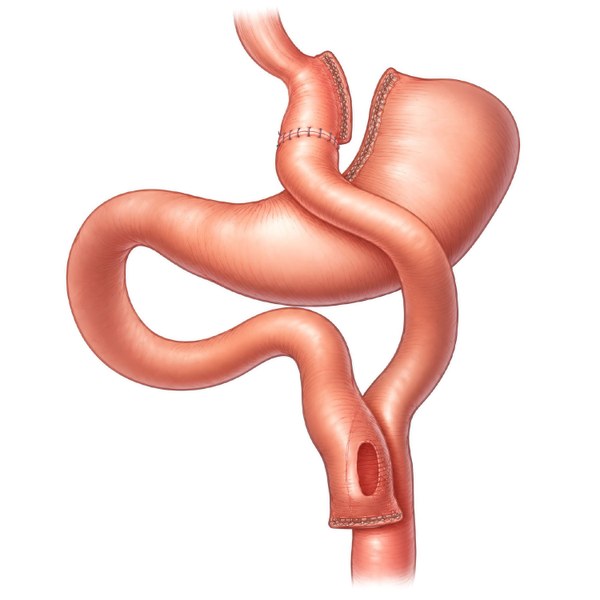
Laparoscopic Roux-en-Y gastric bypass (LRYGB)
A gastric bypass is an operation that helps you eat less and feel full after eating a smaller portion of food.
It works in two main ways: by making the stomach smaller and by changing the way food moves through the digestive system.
How the surgery works
Making a small pouch: The surgeon divides your stomach to create a small pouch at the top. This pouch holds food, so you will feel full after eating a small amount.
Changing the intestine: The surgeon divides your small intestine approximately 75–150cm from the top and connects the lower part to the new stomach pouch.
Food then passes directly from the pouch into the lower part of the small intestine.
The remaining part of the stomach stays inside your body even though food no longer passes through it. This part of your stomach continues to produce digestive juices, which mix with food further down the intestine.
The amount of food you are able to eat is reduced. You will therefore feel full quickly and remain full for longer after eating a small portion.
The surgery also affects hormones that control hunger and fullness.
You will still absorb most nutrients from your food, but your body may absorb less protein, vitamins and minerals than before surgery.
What you need to do after surgery
Follow your diet: To reduce the risk of problems such as nausea, vomiting or nutritional deficiencies, it is important to follow the eating habits and post-operative diet recommended by the team.
Take supplements: You will need to take daily vitamin and mineral supplements for the rest of your life.
Have regular blood tests: The team will check your blood regularly to make sure you do not develop nutritional deficiencies.
Expected weight loss
Most people lose weight quickly during the first year after gastric bypass surgery. You will usually reach your target weight within 12–18 months.
On average, people lose around 65–75% of their excess body weight, or around 25–35% of their total body weight. However, the amount of weight you lose can vary from person to person.
To lose more weight and keep it off, it is important to follow the diet and exercise plan recommended by your healthcare team. Your dietitian will work with you to help you make the changes needed for the best results.
Advantages
the amount of food you can eat is reduced
you are likely to feel full more quickly and remain full for longer
weight loss starts from the time of surgery
weight loss tends to be fast
you can lose on average 60–70% of your excess weight, or 25–35% of your total body weight
it is unusual for a patient not to lose the expected amount of weight
gastric bypass is particularly effective at reducing medication requirements and improving blood glucose control for patients with type 2 diabetes mellitus
Disadvantages
Daily supplements: You will need to take multivitamin and mineral supplements every day for the rest of your life.
Nutritional deficiencies: After surgery, you are more likely to have lower levels of nutrients such as vitamin B12, iron and calcium.
Hair thinning: Your hair may temporarily become thinner during rapid weight loss, but this usually improves over time.
Gallstones: Losing weight quickly can cause gallstones. In some cases, you may need surgery to remove your gallbladder.
Nausea and vomiting: This can happen, particularly during the first few days after surgery. Vomiting is more likely if you eat too quickly or eat too much.
Laparoscopic sleeve gastrectomy
A sleeve gastrectomy, or gastric sleeve, helps you eat less and feel less hungry.
How the surgery works
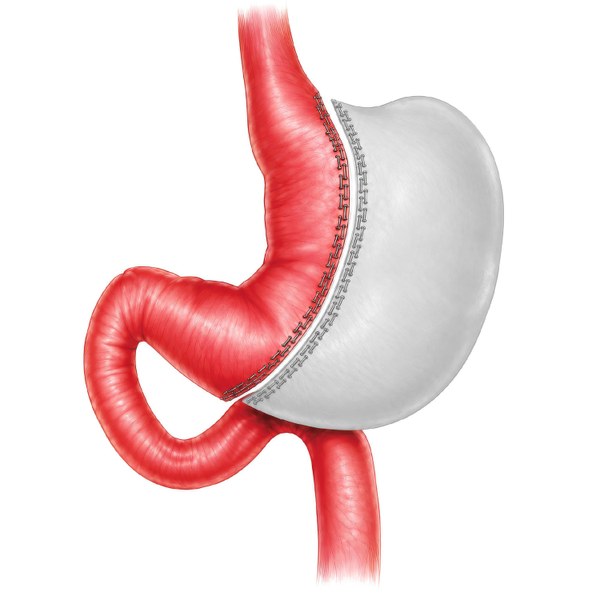
The surgeon creates a narrow tube, or pouch, from your stomach and removes the remaining part, which is approximately 70% of the stomach.
The new stomach is around 30% of its original size.
Food continues to follow the same route through your stomach and intestines as it did before surgery.
Why it reduces hunger
Most people feel less hungry after surgery because the operation changes hormones in the stomach that control hunger and fullness.
Nutrition after surgery
This procedure does not bypass your stomach or intestines, so most nutrients from food are still absorbed.
However, your smaller stomach may reduce the amount of protein, vitamins and minerals you are able to eat.
Two-stage surgery
In some cases, a sleeve gastrectomy is the first stage of a two-part procedure ending in gastric bypass surgery.
If this applies to you, your surgeon will explain this before your first operation. The second operation usually takes place 9–18 months later, after you have lost some weight.
Please note that you will not routinely be offered gastric bypass surgery after sleeve gastrectomy simply to achieve further weight loss.
Expected weight loss
Most people lose weight fairly quickly during the first year after a sleeve gastrectomy.
On average, people lose around 50–60% of their excess body weight, or around 20–30% of their total body weight, although some people may lose more.
To lose more weight and keep it off, it is important to follow your diet plan and exercise regularly. Your dietitian will help you make the appropriate changes to your eating habits to achieve the best results.
Advantages
surgery can be offered to patients who are at higher risk for gastric bypass and may be offered as part of a two-stage procedure
the amount of food you can eat will be reduced
you are likely to feel full more quickly and remain full for longer
weight loss starts immediately after surgery
your intestines remain unchanged, so food continues to be digested and absorbed normally
Disadvantages
you may not lose as much weight as you would following gastric bypass
Hair thinning: Your hair may temporarily become thinner during rapid weight loss, but this usually improves over time.
Daily supplements: You will need to take multivitamin and mineral supplements every day for the rest of your life.
most of your stomach is removed, so this is a permanent procedure
nausea and vomiting may occur, particularly during the first few days after surgery. Vomiting can also occur if you eat too quickly or eat too much
acid reflux, or heartburn, may develop or worsen if you already have it. You may need to take daily medication to reduce stomach acid. In severe cases, further surgery may be required
This surgery is sometimes called a mini gastric bypass.
How the surgery works
The surgeon creates a long stomach pouch, similar to the pouch created during a sleeve gastrectomy.
The new stomach is connected to part of the small intestine through an opening called an anastomosis.
This new connection allows food to enter the small intestine further along than before surgery.
The liver and pancreas continue to release enzymes that help break down food in the remaining part of the small intestine.
The stomach pouch in OAGB is slightly larger than the pouch created during a Roux-en-Y gastric bypass.
Advantages
the amount of food you can eat is reduced and you are likely to feel full more quickly and remain full for longer
weight loss tends to be fast
you can lose on average 60–70% of your excess weight, or 25–35% of your total body weight
it is unusual for a patient not to lose the expected amount of weight
OAGB is usually quicker to perform than a Roux-en-Y gastric bypass because only one connection, or anastomosis, is made
Disadvantages
Daily supplements: You will need to take multivitamin and mineral supplements every day for the rest of your life.
Nutritional deficiencies: After surgery, you are more likely to have lower levels of nutrients such as vitamin B12, iron and calcium.
Hair thinning: Your hair may temporarily become thinner during rapid weight loss, but this usually improves over time.
Nausea and vomiting: This can happen, particularly during the first few days after surgery. Vomiting is more likely if you eat too quickly or eat too much.
The stomach pouch can be larger: The pouch created during OAGB is larger than the pouch created during Roux-en-Y gastric bypass, which may result in slower weight loss for some people.
Bile reflux: This occurs when bile from the liver flows back from the small intestine into the stomach pouch and oesophagus. Bile can irritate the lining of the pouch and cause inflammation in the oesophagus. The risk can be reduced by stopping smoking, eating smaller and lower-fat meals and keeping your head raised for a few hours after eating.
Expected weight loss
Most people lose weight quite quickly during the first year following OAGB surgery. You will generally reach your target weight within 12–18 months.
On average, people lose around 60–70% of their excess body weight, or around 25–35% of their total body weight.
The amount of weight people lose following surgery varies. Following dietary advice and exercising regularly will result in greater weight loss and better weight maintenance.
Your dietitian will discuss the changes you need to make to your eating patterns to achieve the best weight loss results.
Laparoscopic adjustable gastric banding (LAGB)
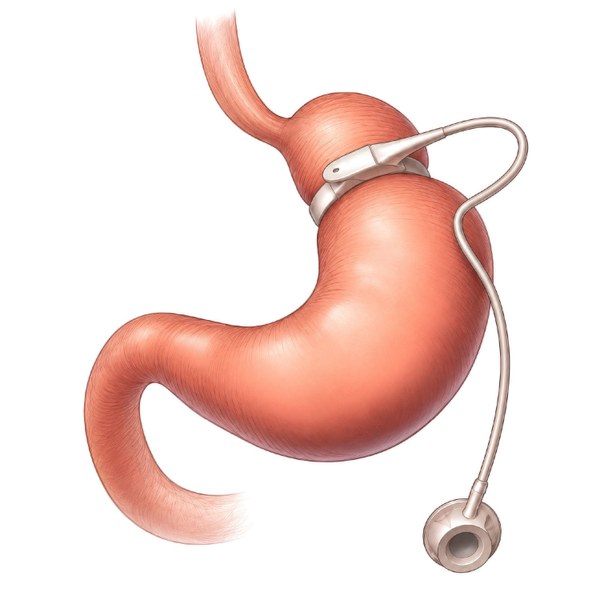
The gastric band is a silicone band placed around the upper part of your stomach, leaving almost no stomach above it.
The band helps you feel full after eating less food, so you eat smaller portions. This feeling of fullness lasts longer between meals, helping you feel less hungry.
The band presses on the stomach, which sends signals to the brain telling you to stop eating.
The band is connected to a small port placed under the skin on the left side of your abdomen.
Fluid can be added to the band by injection to help you feel fuller or less hungry. Fluid can be removed in the same way if the band is too tight or during pregnancy.
No part of your stomach or intestines is cut, stapled or removed during surgery, so digestion and nutrient absorption are not affected.
The band is safe for MRI scans.
Band adjustments
When the band is first inserted, it does not contain any fluid.
Your first band adjustment, known as a fill, usually takes place around 6 weeks after surgery.
You will need more than one adjustment to help you feel full after eating the appropriate amount.
A nurse or dietitian will discuss how much we would expect you to eat after gastric band surgery and advise you about any dietary changes needed.
Expected weight loss
After surgery, people tend to lose weight steadily over around 2–3 years.
On average, people lose around 40–50% of their excess weight, or around 15–20% of their total body weight, during this period.
Weight loss is slower than with procedures such as gastric bypass, OAGB or sleeve gastrectomy.
The amount of weight you lose can vary considerably and weight loss is not guaranteed.
To reach your weight loss goals, it is important to follow your diet and exercise plan. Your dietitian or nurse will help you make the appropriate changes to your eating habits for the best results.
Advantages
you will feel satisfied sooner and remain satisfied for longer
the band can be tightened or loosened to help you feel full. Clinicians adjust it using the port under the skin on your abdomen
people usually lose around 40–50% of their excess weight, or 15–20% of their total body weight
the operation is lower risk than some other weight loss procedures because it is quicker and does not involve cutting, stapling or removing parts of the stomach or intestines
the stomach and intestines remain unchanged, so your body digests food normally
the operation can be reversed if necessary, although you may regain weight afterwards
Disadvantages
weight loss is slower than with Roux-en-Y gastric bypass, OAGB or sleeve gastrectomy
it may take several months to begin losing weight because the band needs to be adjusted to the right level
the access port can twist, making it difficult to adjust the band. Another operation may be needed to correct this
the band or port may leak or deflate, which could require another operation
in 2–5% of cases, the band may move or slip. You may need to have the fluid removed from the band temporarily or have surgery to remove the band
in rare cases, around 1%, the band may wear through the stomach wall and need to be surgically removed
the band or port may become infected and need to be removed
you may experience heartburn, stomach irritation, bloating, difficulty swallowing, dehydration or constipation
nausea and vomiting can occur, particularly immediately after surgery. Eating too quickly or eating too much can also cause vomiting
around 10% of people do not lose as much weight as expected with a gastric band
If you need another operation in the future, the band should not prevent this. However, your surgeon must know that you have a gastric band before any further operation.
Gastric balloon
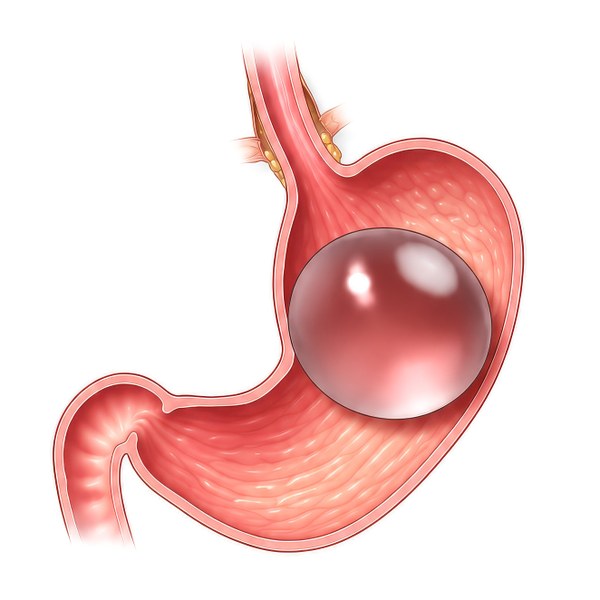
A gastric balloon is a soft silicone balloon that is placed inside your stomach and filled with saline solution.
The balloon takes up space in your stomach, so you feel full after eating less food. This can help with weight loss.
Your doctor may recommend a gastric balloon if you need to lose weight before another weight loss procedure, such as gastric bypass, OAGB or sleeve gastrectomy, to make surgery safer for you.
The balloon is not a permanent solution because you are likely to regain weight once it is removed. For this reason, we do not offer it as a stand-alone weight loss treatment.
What to expect
The balloon is inserted through your throat and into your stomach under general anaesthetic. Before the procedure, you will need to follow a special diet to make sure the balloon can be placed safely.
Once inside your stomach, the balloon is filled with sterile water and some blue dye. Between 500–700ml of water is used. Once filled, the balloon is too large to pass into the intestines and remains floating inside the stomach.
The procedure usually takes around 20–30 minutes.
After the procedure
After the balloon has been placed, you will return to the ward and receive fluids through a drip to help keep you hydrated.
Most people stay in hospital for 2–3 nights.
Nausea and vomiting are common after the procedure. You will receive medication to help with this, although it can take a couple of weeks for your stomach to become accustomed to the balloon.
You can start taking small sips of fluid as soon as you feel ready. You will gradually be able to drink more and then begin eating food again.
The dietitians will advise you about what to eat and drink.
When you go home, you will have medication to help with nausea and acid reflux, as well as vitamin and mineral supplements.
Important
The balloon remains in your stomach for 6–12 months, depending on the type used.
After this time, it begins to weaken and needs to be removed.
It is your responsibility to attend your clinic appointments with the bariatric surgery team at Chelsea and Westminster Hospital.
After 6–12 months, the balloon is removed using an endoscope while you are asleep under general anaesthetic.
You may have another balloon inserted to support further weight loss or you may progress to another type of weight loss surgery. Your doctor will discuss this with you before the balloon is removed.
How much weight will I lose?
The amount of weight you lose depends on your starting weight and how well you are able to follow advice about diet, exercise and lifestyle changes.
Everyone's results are different.
Possible risks of the balloon
Injury to the oesophagus or stomach: As with other stomach procedures, there is a small risk of damage to the lining of your oesophagus or stomach. This could cause ulcers, pain, bleeding or a hole, known as a perforation. A perforation is serious and may require emergency surgery.
Bacterial infection: If bacteria grow inside the fluid filling the balloon, the fluid could cause an infection when the balloon is removed. This may cause fever, stomach cramps and diarrhoea.
Blocked intestine: If the balloon leaks and deflates, it may pass through your intestine and leave your body naturally. However, in some cases, particularly if you have had stomach surgery before, the deflated balloon could become stuck and block your intestine. This is serious and may require emergency surgery to remove the balloon.
Is balloon insertion suitable for me?
You may not be suitable for balloon insertion if you have any of the following:
an inflammatory condition of the upper gastrointestinal tract, including inflammation of the oesophagus, ulceration of the stomach or duodenum, tumours or other inflammatory conditions
conditions that make you more likely to bleed, such as varices
a large hiatus hernia
strictures of the oesophagus or throat
a medical condition that increases the risks associated with an endoscopic procedure
previous gastric surgery
treatment with aspirin or other non-steroidal anti-inflammatory drugs, or long-term anticoagulation therapy such as warfarin
What happens if the balloon deflates spontaneously?
If the balloon deflates before its scheduled removal, you should notice blue dye in your urine. Contact the team and attend our A&E Department immediately so that we can remove the balloon.
Risks and complications of bariatric surgery
As with any stomach surgery, weight loss surgery carries risks.
General anaesthetic risks
Being overweight can increase the risks associated with general anaesthesia.
Before surgery, you will have a pre-operative assessment to make sure it is safe for you to have an anaesthetic.
People with more complex medical histories will be seen in our High Risk Anaesthetic Clinic (HRAC), where further investigations may be requested before a decision about surgery is made.
Blood clots
After any operation, blood can become more likely to clot. This can cause a blood clot to form in the veins of the leg, known as a deep vein thrombosis (DVT).
If a clot travels to the lungs, it can cause serious breathing problems and, in rare cases, sudden death.
To reduce the risk, you will:
have a blood-thinning injection called enoxaparin for 2 weeks after surgery
wear compression stockings while in hospital and for 2 weeks afterwards
be encouraged to walk as soon as possible after surgery
Infections
The risk of infection is low. You can reduce the risk of lung infections by following the breathing exercises recommended after surgery. Wound and urine infections are uncommon and can usually be treated with antibiotics. Before surgery, you will be tested for MRSA, which is a type of bacteria.
Marginal ulcers
This applies to gastric bypass and OAGB patients only.
Some patients may develop ulcers where the small stomach pouch connects to the intestine. This is a serious complication. You will be given medication to help prevent ulcers after surgery and you must continue taking it until your doctor tells you to stop.
Gastric ulcers
Smoking after surgery increases the risk of ulcers. It is important to stop smoking to reduce this risk. Do not take painkillers such as ibuprofen or aspirin after surgery as they can also cause ulcers. These medicines are known as non-steroidal anti-inflammatory drugs (NSAIDs).
Staple line leaks
This applies to gastric bypass, OAGB and sleeve gastrectomy patients only.
Leaks from the gastrointestinal tract can occur where staples have been used and a complete seal has not formed. This can cause a serious complication and occurs in around 0.5–2% of people who have gastric bypass, OAGB or sleeve surgery. If this happens, you may need to stay in hospital for longer or have another operation. Before drinking fluids after surgery, you will have a check for leaks.
When you go home, it is important to follow the liquid, purée and soft diet as advised by the dietitians to minimise the risk of leaks.
Heart attack risk
People who are overweight have a higher risk of heart attack. This may be because of conditions such as high blood pressure, diabetes or high cholesterol, which can increase the risk of heart problems. It is important to try to improve these conditions before surgery.
Bleeding
Bleeding occurs in around 3–5% of operations. Most of the time, stopping blood-thinning medication can resolve the problem. Sometimes another operation is needed to stop the bleeding.
Gallstones
Rapid weight loss can cause gallstones. If this happens, you may need another operation to remove your gallbladder. If you already have gallstones, gallbladder removal will be recommended first. You will be given medication for the first 6 months after surgery, when your weight loss is fastest, to reduce the risk of gallstones.
Bowel blockage
Sometimes the bowel can become blocked because of scar tissue, twisting or an internal hernia. This happens in around 5% of cases and may require another operation.
Spleen injuries
This is very rare, but the spleen can be damaged during surgery. In some cases, it may need to be removed.
Internal hernia
An internal hernia can occur after gastric bypass and OAGB surgery. This happens when the small intestine pushes through an opening created during surgery. Weight loss after surgery can allow the intestine to move through these openings. An internal hernia causes abdominal pain and should be treated as an emergency. Treatment is with surgery.
Incisional hernia
An incisional hernia is a bulge of tissue at the site of surgery. A hernia can develop after surgery, particularly following open surgery. It is uncommon following keyhole surgery. If it occurs, another operation is usually required to repair it.
Narrowing of the stomach opening
After gastric bypass or OAGB surgery, the connection between the stomach and intestine can become too narrow. This can usually be treated with a procedure that uses a balloon to widen the area.
Risk of death
There is a small risk of death of around 0.5% with this type of surgery. The level of risk depends on your health and the type of procedure.
What is the right choice of surgery for you?
There is no single answer to this question. You may already have an idea of which procedure you prefer based on your own research or conversations with other people who have had surgery.
Our role is to give you appropriate information based on our medical experience to help you make the best choice. The decision will be made jointly by you, your surgeon and the rest of the healthcare team.
Things to think about when choosing surgery
Your health conditions: If you have diabetes, reflux or other medical problems, some operations may be more suitable than others. If you have diabetes, gastric bypass may be a better choice as it has a higher success rate in inducing remission of diabetes. Certain inflammatory bowel conditions may make sleeve gastrectomy the preferred option. The doctors and specialist nurse can discuss this with you.
Your eating habits: If you tend to snack frequently or eat large portions, certain operations may work better for you.
Long-term effects: Most procedures require lifelong vitamin supplements and regular follow-up.
Recovery time: Some procedures take longer to recover from than others.
Reversibility: Some procedures, such as the gastric band, can be adjusted or removed, while sleeve gastrectomy, OAGB and gastric bypass are permanent.
Risks and side effects: All operations carry risks and some procedures may have a higher risk of certain complications.
Your personal goals: Consider what you hope to achieve from surgery, such as weight loss, improved health or improved mobility.
How much weight do I want to lose?
You are likely to lose different amounts of weight depending on the type of surgery you choose. You are likely to lose the most weight with gastric bypass or OAGB surgery. Your dietitian can calculate your expected weight loss following each procedure. It is important to remember that surgery will not necessarily bring you into the healthy BMI range of 20–25kg/m², but it should bring you closer to it.
How quickly do you need to lose weight?
The different procedures produce weight loss over different time periods. Following gastric bypass, OAGB and sleeve gastrectomy, weight loss tends to be rapid, with most weight lost during the first 6–12 months. Following gastric band surgery, weight loss is more gradual and it may take up to 3 years to reach your target.
Smoking
You will be advised to stop smoking or vaping whichever procedure you have. If you need support with this, please speak to your GP or pharmacist. We will not consider you for gastric bypass, sleeve gastrectomy or OAGB if you are actively smoking or vaping, or if you plan to start again after the procedure, because smoking is associated with a higher risk of anastomotic leaks and ulceration.
I am planning to become pregnant soon
We recommend that you do not become pregnant after surgery while you are rapidly losing weight. During weight loss, your body may not be receiving all the essential nutrients needed to keep you and your baby healthy.
You must not become pregnant for 18 months following surgery.
After surgery, oral contraception, including the morning-after pill, may be less effective. You should have a contraception plan in place before surgery. You can discuss this with the doctor, Clinical Nurse Specialist or dietitians.
It is preferable to start your chosen method of contraception before surgery. If you do become pregnant, please let us know as soon as possible so that we can monitor you more closely.
It is important to remember that you are likely to become more fertile when you lose weight. Precautions therefore need to be taken even if you have previously been told that you cannot have children.
I have had previous abdominal surgery
Generally, you will still be able to undergo bariatric surgery. If you have had several abdominal operations, you may need open surgery rather than keyhole surgery. Your surgeon will discuss this with you.
Is the procedure reversible?
We do not consider any of the procedures reversible. If surgery is reversed, people usually regain weight. Reversal procedures also carry greater risks than the initial procedure and are considered only when medically necessary.
I am unable to attend regular appointments
After surgery, you will need to attend regular hospital follow-up appointments. These allow the team to make sure you are losing weight safely and remaining healthy.
You will see a dietitian every 3–6 months for the first 1–2 years to check that you are receiving the correct nutrition. You may also need regular blood tests.
If you have a gastric band, you may need additional visits to adjust your band.
If you cannot attend these appointments, you will not be able to have surgery at Chelsea and Westminster Hospital and will be discharged from the service.
If you need to reschedule an appointment, apart from a psychology appointment, please contact the appointments team:
Our advice is to abstain from alcohol completely. Alcohol absorption can be unpredictable after surgery and one glass of wine may result in you becoming drunk. Alcohol should be avoided after all bariatric surgery as it is high in calories and may slow your weight loss.
There is also emerging evidence that it may be easier to develop problems with alcohol dependency after bariatric surgery, particularly following gastric bypass.
Will I have excess skin after I lose weight?
Some people are left with excess skin following weight loss and may feel they need surgery to remove it. Removal of excess skin is not included in your referral for weight loss surgery. Excess skin removal surgery is currently considered non-essential and is unlikely to be funded by the NHS. You will need to discuss this with your GP, who would need to apply for funding.
Preparing for surgery
What psychological support is available?
Psychological support is an essential and compulsory part of the bariatric pathway. You will need to complete the required psychological input before you can proceed to surgery.
All patients are offered support for emotional eating, such as comfort eating or eating that is triggered by different emotions.
Psychological intervention can help you change eating behaviours that may have contributed to weight gain. It is important that you work with the psychology team to change these behaviours before surgery so that you can gain the full benefits from bariatric surgery as safely as possible.
You can prepare by starting to analyse your eating behaviour and noticing any triggers for comfort eating or overeating, such as particular situations, moods or times.
Keeping a food diary can be a useful way to monitor this. Start identifying alternative ways of coping or other things you can do when these triggers occur.
If you have pre-existing mental health difficulties, our psychology team will discuss the support you may need during the bariatric pathway.
We know that bariatric surgery can affect some people's mental health and want to make sure you have appropriate support in place.
Psychology can also support you after your operation as you adjust to the changes following bariatric surgery.
The psychology team offers monthly workshops during the first year after bariatric surgery covering a range of topics that may be helpful during your post-operative journey.
Individual support can also be offered, or you can be signposted to other services if you need additional support.
Do I need to lose weight before surgery?
You may need to lose some weight before surgery. This is usually to help us perform keyhole surgery, which is safer for you. Your dietitian or surgeon will advise you if they feel you need to lose weight before surgery. Weight loss can be achieved through diet, activity, medication or with the help of a gastric balloon.
If you do not achieve the weight loss requested, your surgeon may not be able to perform the operation. If you gain a significant amount of weight while on the pathway, this may delay your surgery.
Other specialist appointments to optimise fitness for surgery
Some patients have a higher risk of problems during or after surgery because of other health conditions. If this applies to you, you may be referred to other specialists.
Cardiology, echocardiogram, ECG or stress test: If you have heart problems such as heart failure, a previous heart attack or another heart condition.
Endoscopy or barium swallow: All patients will have an endoscopy before surgery. This will be arranged by the surgical team.
Endocrinology: If your diabetes is not well controlled, you may see a diabetes specialist to help improve your blood glucose levels.
Hepatology: We will assess your risk of fatty liver disease and may refer you to a liver specialist if needed.
Anaesthetist: The anaesthetist will review your notes. If they think you are at increased risk from the anaesthetic, you will be asked to attend a specialist clinic for further assessment.
Sleep studies
You may be tested for sleep apnoea before weight loss surgery. This is done to:
help improve your symptoms
improve your health and reduce the risk of heart problems or diabetes
make your anaesthetic and recovery safer
You will have a sleep study. You will come to the hospital to collect a small machine that measures your breathing while you sleep at home. You will then return the machine to the hospital.
You will be told whether you have sleep apnoea either at a clinic appointment, by telephone or by letter.
If you need to use a machine called CPAP, or Continuous Positive Airway Pressure, we will check that you are using it effectively after 8–10 weeks before your surgery can be booked.
If you are not using your CPAP as advised, we may not be able to perform your surgery because of the increased risk to your health.
You may also need to tell the DVLA about your diagnosis and treatment. You can obtain information from the sleep clinic or the DVLA website.
Once you are ready for surgery, you must:
continue using your CPAP machine before and after your operation. If you do not use it sufficiently, your surgery may be cancelled
bring your CPAP machine and mask with you to hospital
tell the CPAP clinic team if you are having any problems with your machine
attend a follow-up appointment with the sleep clinic one year after surgery
Please remember that any delay to your surgery because of these requirements is to keep you safe.
Pre-operative liver shrinkage diet
You must follow this diet carefully for at least 2 weeks before surgery. Many people who need weight loss surgery have a large, fatty liver. This can make keyhole surgery more difficult. It is therefore important to follow a diet low in carbohydrates, sugars, starches and fat. This helps your body use the carbohydrate stored in your liver, making your liver smaller and surgery safer.
It is very important that you follow this diet. If you do not follow it before surgery, your operation may be cancelled on the day.
Think of the liver shrinkage diet as an opportunity to begin losing weight and become accustomed to healthy eating. The more weight you lose before surgery, the safer surgery will be for you.
When will I be put on the waiting list?
You will be placed on the waiting list once:
you have completed all of the required assessments
you have made a final decision about which procedure you wish to have
all clinicians involved in your care agree that you are fit and ready for surgery
The waiting time from this point can be up to 6 months.
During and after surgery
Admission to hospital
The admissions team will book your surgery date. You will be told the date by telephone or letter. The letter will tell you when you need to attend hospital. Please let us know whether you are able to attend on that day.
You will have an appointment at the Pre-operative Assessment Clinic. The team will discuss which medicines you should continue or stop before surgery and tell you when you must stop eating and drinking. You will also have swab tests for infections, including MRSA and COVID. If you do not attend this appointment, your surgery will be cancelled and you will be removed from the waiting list.
Most people attend hospital on the morning of surgery and wait in the Surgical Admissions Lounge on the fifth floor, Lift Bank D.
If you have diabetes and use insulin, you may need to attend the day before surgery so that your blood glucose can be kept stable while you are not eating or drinking.
Bring toiletries, loose nightwear or tracksuits, slippers, any medicines you take and a charger for your phone or other devices.
If you use a CPAP or BiPAP machine for sleep apnoea at home, it is very important that you bring it with you.
Before surgery, the anaesthetist and surgical team will meet you, answer your questions and check that it is safe to proceed.
A nurse will take you to the operating theatre, where you will have your anaesthetic.
What happens in hospital after surgery?
After surgery, you will return to the ward from the recovery room. You will have a drip to keep you hydrated and medication to help with pain.
If you have had gastric bypass, OAGB or sleeve gastrectomy, you will initially only be able to suck ice chips. You will not be allowed to eat or drink until the doctor's review to check for leaks the following day. This check may include swallowing a special dye or close monitoring of your vital signs.
If you have had a gastric band, you can begin drinking water when you return to the ward.
The surgical team will review you the day after surgery.
You will be encouraged to get out of bed and begin walking as soon as possible. This helps reduce the risk of blood clots, known as deep vein thrombosis.
You will receive medication for pain and nausea. If the medication is not working, please tell the nursing team.
Most people stay in hospital for:
1–2 nights after gastric bypass, OAGB, sleeve gastrectomy or gastric balloon
1 night after gastric band surgery
Discharge from hospital
Wounds: Ward staff will advise you about wound care before you go home. If you have stitches or staples that need to be removed, you will be given a letter for your practice nurse or district nurse. If your wound has been closed with glue, this will usually flake off within 10 days to 2 weeks.
Anti-embolism stockings: We recommend taking these home with you and continuing to wear them for 2 weeks after your operation to help prevent DVT.
Medication: Your medication will be reviewed by the medical team before you go home.
You will be given medication to take home. This may include:
pain relief
anti-sickness medication
vitamin and mineral supplements
2 weeks of blood-thinning injections
The ward nurse will teach you how to give yourself the injections. The hospital will provide 2 weeks of vitamin and mineral supplements. You will need to contact your GP for your ongoing supply.
Eating and drinking: Follow the guidance provided by our dietitians. We advise that you drink at least 1 litre of fluid a day during the first few weeks after surgery. Please measure the amount you are drinking. If you are unable to drink 1 litre each day, please contact the Nurse Specialist for further advice.
Washing: You can shower, but we do not recommend taking a bath for at least 2 weeks after surgery.
Driving: We recommend that you do not drive until you can brake safely without abdominal pain, usually around 2–3 weeks after surgery.
Exercise: You will be able to get up and walk from the day after surgery. Avoid heavy lifting or strenuous activity for 6 weeks after your operation.
Returning to work: If you need a fit note for your employer, please ask the medical staff when they review you before discharge. Most people are able to return to work a couple of weeks after surgery.
Follow-up after surgery
You will be sent an appointment to see the Nurse Specialist:
2 weeks after gastric bypass, OAGB or sleeve gastrectomy
6 weeks after gastric band surgery
You will routinely see your surgeon 6 months after surgery. If you need to see the surgeon earlier, this will be arranged. You will see a dietitian 2–3 months after surgery and then at 6, 12 and 24 months.
If you have not received appointments but think you should have, please contact the team and we will check whether they have been arranged.
We can also provide psychological support if you have difficulties related to bariatric surgery.
Gastric band adjustments: Your first adjustment will take place around 6 weeks after surgery. Further band adjustments can be arranged through the Nurse Specialist in the band review clinic.
If you are unwell after surgery
If you have any problems between discharge from hospital and your first appointment, please contact us Monday to Friday, 9am–5pm.
During evenings and weekends, please contact your GP or attend A&E at Chelsea and Westminster Hospital. If you cannot reach us and you are very unwell, please attend A&E at Chelsea and Westminster Hospital. For conditions unrelated to your bariatric surgery, please contact your GP or call NHS 111.
Contact information
Weight loss (bariatric) surgery team Chelsea and Westminster Hospital 369 Fulham Road London SW10 9NH